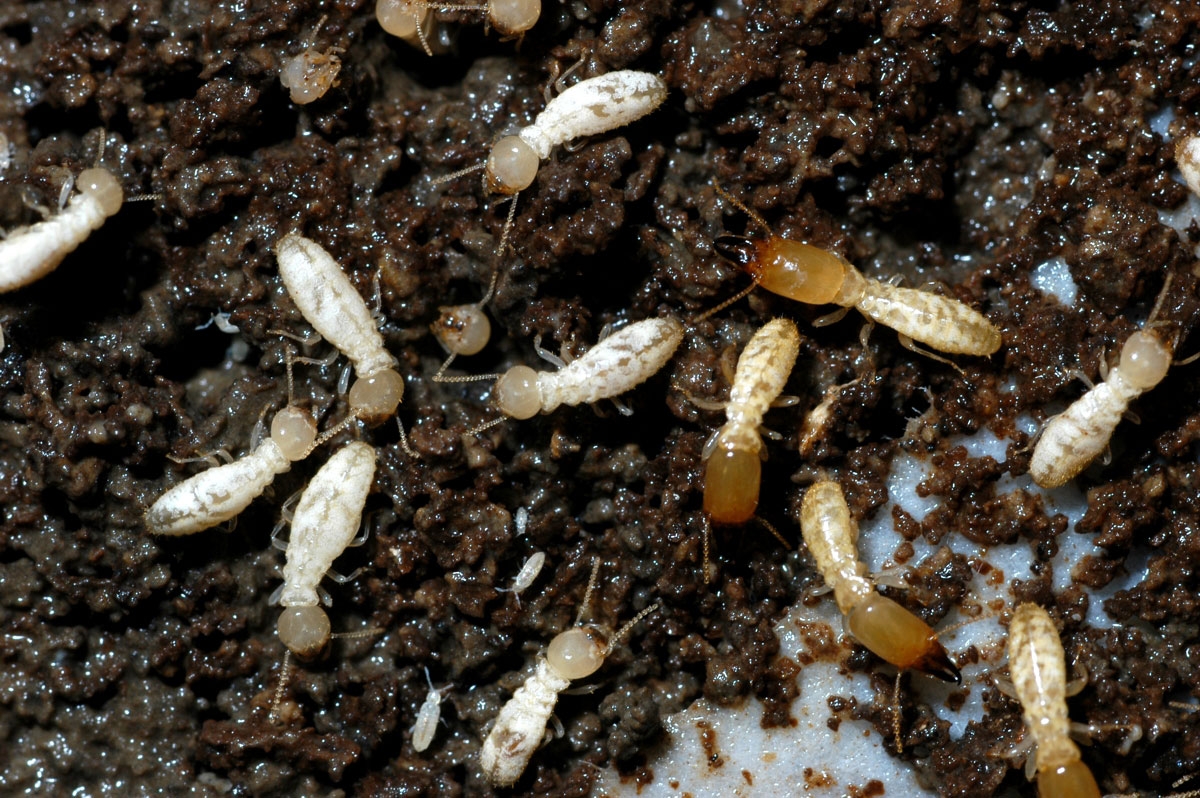
The field of insect science encompasses the agricultural, biological, and environmental sciences related to insects and their interactions with humans. Insects and their relatives are the most abundant animals on earth and are commonly found in all habitats. Insects are essential to maintaining healthy ecosystems. Management of both beneficial and pest insects is essential to global food security
Students with insect science degrees pursue careers in environmental science, conservation, agriculture, public health, horticulture, food processing, pest control, public education, and employment in state and federal government agencies.
The Insect Science Major
Insect Science MajorThe Insect Science major is designed to prepare students for careers utilizing the understanding of insects (and other arthropods) and their interactions with environmental and human systems (e.g., environmental quality, conservation biology, forensic investigation, and discovery research). The degree also provides appropriate preparation for entry into professional programs such as veterinary, medical, and research-based graduate degree programs.
Insect Science Minor
A minor in insect science will consist of at least 18 credit hours of entomology, including at least 6 hours at the 300 level or above. BIOS 381 Invertebrate Zoology, and up to 3 hours of ENTO 496 Independent Study in Entomology, may be counted towards the minor requirements. The course of study leading to a minor in insect science must be developed in consultation with, and be approved by, an advisor in the Department of Entomology. Advisors for the minor are assigned by the Head of the Department of Entomology.
| College: | College of Agricultural Sciences & Natural Resources |
|---|---|
| Degree: |
Bachelor of Science in Insect Science |
| Hours Required: | 120 |
| Minimum Cumulative GPA: | 2.0 for graduation |
| Minor Available: | Insect Science Minor |
| Insect Science Classes: | https://entomology.unl.edu/insect-science-classes |
| Student Support: | Student Resources link |
| Student Club: | Insect Science Club |
Entomologists are:
- Growing Food– working with farmers to manage insect pests and protect crops while simultaneously protecting beneficial insects and the environment.
- Saving Lives – finding ways to prevent insects from spreading diseases and helping to discover new medicines and treatments.
- Helping Animals – working with zookeepers, ranchers, forest rangers, and veterinarians to help them protect animals from dangerous insects.
- Understanding Nature – studying insects in their roles in the environment, such as pollinators, decomposers, parasites, predators, and sources of food for other animals.
- Discovering Species – finding new species allows us to better understand insect evolution, biodiversity, and the role of insects in nature.
- Saving our Forests – studying insects that harm wild plants and forests and ways to prevent and control them.
- Fighting Crime – examining bodies to find insects that may give clues to the time of death, and whether the body has been moved since then.
- Protecting the Quality of Life – Entomologists help us keep our homes, schools, hospitals, and recreational areas free of pests.
Career Outlook
Almost 50% of our graduates go on for advanced degrees.
- Research Entomologist
- Laboratory Research Assistant
- Plant Protection and Quarantine Technician
- Science Teacher*
- Scientist*
- Extension Educator*
- Navy Medical Entomologist*
- Research Technician
- Insect Zoo Education Program Coordinator